
Myofunctional Therapy for Obstructive Sleep Apnoea
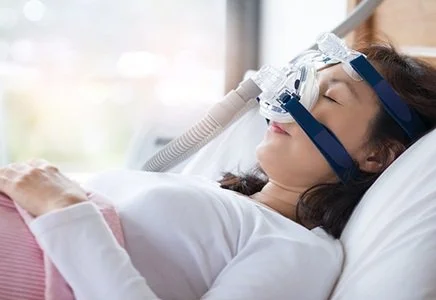
Obstructive Sleep Apnoea (OSA) is a condition in which breathing repeatedly stops or becomes restricted during sleep. These interruptions can reduce sleep quality and lead to symptoms such as excessive daytime fatigue, poor concentration, morning headaches, and increased health risks over time.
Continuous Positive Airway Pressure (CPAP) therapy is considered the gold standard treatment for OSA. However, many people find CPAP difficult to tolerate, which can affect long-term compliance. A mandibular advancement splint, custom-made by a dentist, is often the next most effective treatment option.
Emerging research has highlighted another conservative treatment approach: myofunctional therapy. This therapy focuses on strengthening and retraining the muscles of the tongue, soft palate, and upper airway to promote healthier breathing patterns during sleep. By improving muscle function and airway stability, myofunctional therapy may help reduce the severity of sleep apnoea and support better sleep quality.
What Does the Research Say About Myofunctional Therapy for Sleep Apnoea?
Myofunctional therapy (also known as oropharyngeal or airway muscle training) is an exercise-based treatment that aims to improve the strength, coordination, and endurance of the tongue, soft palate, lips, and throat muscles. Increasing evidence suggests it can be an effective adjunctive treatment for obstructive sleep apnoea (OSA), particularly for people with mild to moderate OSA or those unable to tolerate CPAP therapy.
The strongest early evidence comes from a systematic review and meta-analysis by Camacho and colleagues, which analysed 11 studies involving both adults and children with OSA. In adults, myofunctional therapy reduced the Apnoea-Hypopnoea Index (AHI) by approximately 50%, improved oxygen saturation, reduced snoring, and significantly decreased daytime sleepiness. In children, the average reduction in sleep apnoea severity was approximately 62%. The authors concluded that myofunctional therapy may be a valuable adjunct to established OSA treatments.
More recent research has continued to support these findings. A 2025 systematic review and meta-analysis of randomised controlled trials found that orofacial myofunctional therapy produced significant improvements in both AHI and Epworth Sleepiness Scale scores, whether used alone or alongside other treatments. The authors concluded that myofunctional therapy is an effective non-invasive intervention for adults with OSA.
Researchers have also identified physiological differences in tongue function among people with OSA. A 2024 systematic review found that adults with OSA demonstrate reduced tongue elevation strength and endurance compared with healthy controls. The review also reported that myofunctional therapy can improve tongue motor performance, providing a possible mechanism for why airway stability improves during sleep.
Key Benefits Supported by Research
Research suggests myofunctional therapy may:
Reduce the frequency of breathing interruptions during sleep (AHI)
Improve daytime alertness and reduce fatigue
Decrease snoring intensity and frequency
Improve oxygen levels during sleep
Enhance tongue and upper airway muscle function
Support long-term outcomes when combined with other treatments such as CPAP, mandibular advancement splints, orthodontic treatment, or surgery.
Important Considerations
While the evidence is promising, myofunctional therapy is generally not considered a replacement for CPAP in people with moderate to severe OSA. Instead, it is best viewed as a conservative treatment option that may reduce symptoms, improve airway function, and enhance outcomes alongside other evidence-based therapies. Consistent daily practice is critical, as benefits are dependent on adherence to the exercise programme.
References
Camacho M, Certal V, Abdullatif J, et al. Myofunctional Therapy to Treat Obstructive Sleep Apnea: A Systematic Review and Meta-analysis. Sleep. 2015;38(5):669-675.
Ferreira LGA, Miranda VSG, Baseggio MEP, et al. Myofunctional Therapy for the Treatment of Obstructive Sleep Apnea: Systematic Review and Meta-Analysis. International Archives of Otorhinolaryngology. 2025.
Poncin W, Willemsens A, Gely L, Contal O. Assessment and Rehabilitation of Tongue Motor Skills with Myofunctional Therapy in Obstructive Sleep Apnea: A Systematic Review and Meta-analysis. Journal of Clinical Sleep Medicine. 2024;20(9):1535-1549.
